
Every year, about 805,000 people in the United States experience a heart attack. February, recognized as American Heart Month, serves as a reminder for everyone to pause and focus on their cardiovascular health. A heart attack is undeniably life‑altering — it can leave you feeling overwhelmed, uncertain, and even afraid. Yet it also marks the start of a new chapter. With the right support, thoughtful lifestyle changes, and consistent medical guidance, many people go on to lead full, active lives after a cardiac event. Recovery extends far beyond physical healing; it involves rebuilding confidence, forming healthier habits, and learning to understand your body in a new and more attentive way.
In observance of Heart Health Month, this guide explores what to expect after a heart attack and how to navigate the path forward.
Recovery after a heart attack
According to Cleveland Clinic, heart attack recovery takes anywhere from two weeks to three months. Once you leave the hospital, your focus shifts from survival to recovery. The first weeks are especially important because studies show that more than 25 percent of heart attack survivors are readmitted within 90 days. A second heart attack so soon after the first doesn’t just interrupt recovery — it dramatically increases long‑term cardiovascular risk, making careful monitoring, follow‑up appointments and lifestyle adjustments essential parts of the healing process.
Cardiac rehabilitation: a key to long-term health
Cardiac rehabilitation (CR) is a medically supervised program that helps you recover and strengthen your heart after a cardiac event such as a heart attack, heart failure, angioplasty or heart surgery. CR is often a turning point for many heart attack survivors. It combines three key elements: guided exercise to improve cardiovascular fitness, education to support heart‑healthy habits like managing risk factors and making better nutrition choices and stress‑reduction counseling to help you recognize and manage emotional strain that can affect heart health. Participation in CR can decrease recurrent cardiac-related events, reduce mortality by more than 12 percent, reduce hospitalizations by 20-30 percent and improve quality of life.
Heart-healthy diet changes
Changing what you eat may be one of the most impactful things you do after a heart attack to prevent having a second attack as well as other medical issues such as a stroke. Consult your doctor about your diet before making major changes.
The Heart Research Institute recommends people who have recently experienced a heart attack to eat plenty of whole grains, which boosts their daily fiber intake. Studies show that fiber reduces inflammation and may reduce the risk of heart attack and stroke by 30 percent. Grains include oats, pearled barley, brown rice, all bran cereal (and other high fiber cereals), rye and grainy breads and whole meal pasta.
Fruits and vegetables are also a good source of fiber and promote heart health. Vegetables such as leafy greens (spinach, collard greens, kale, cabbage), broccoli, and carrots and fruits such as apples, bananas, oranges, pears, grapes, and prunes are great foods for your cardiovascular health.
It’s also important to get your fix of healthy fats. Monounsaturated and polyunsaturated fats support heart health while saturated and trans fats can raise cholesterol and increase heart disease risk. Healthy fats improve cholesterol levels, lower blood pressure and reduce inflammation. Choose healthy fats from foods like nuts, chia seeds, extra virgin olive oil, avocados, olives, dark chocolate, eggs and oily fish.
Geisinger Health recommends avoiding the following foods after a heart attack: fried food, beef, processed or cured meat, highly processed foods, sugary beverages and sweets, canned fruits and vegetables, full fat dairy and alcohol. These foods can increase the risk of a heart attack.
The American Heart Association recommends lowering your salt intake to less than 2,000 mg of salt a day, and there’s good reason for it. Most adults consume far more than they realize—often over 3,300 mg daily—largely because more than 70 percent of the sodium we eat comes from packaged, processed and restaurant foods rather than the saltshaker.
Eating too much sodium pulls extra water into your bloodstream, increasing blood volume and raising blood pressure, which forces your heart to work harder. Over time, this added strain can damage blood vessels, contribute to plaque buildup and increase the risk of heart attack and stroke. Even reducing your intake by 1,000 mg a day can make a meaningful difference in lowering blood pressure and improving heart health.
Mental and emotional recovery
It’s normal to feel unlike yourself after a heart attack. Many survivors experience emotional challenges, and tending to mental health is just as important as physical care. Heart attacks commonly provoke psychological distress in survivors. According to an American Heart Association scientific statement published in September, up to half of people hospitalized for a heart attack report anxiety or post-traumatic stress disorder. Up to a third of survivors experience depression.
Staying connected with family and friends becomes especially meaningful after a heart attack. Regular contact with the people you care about can lift your spirits, provide much‑needed encouragement and remind you that you’re not facing recovery alone. Their updates, stories and everyday moments can also offer a break from the stress of healing, helping you feel grounded and supported as you move forward.
Home health for heart attacks
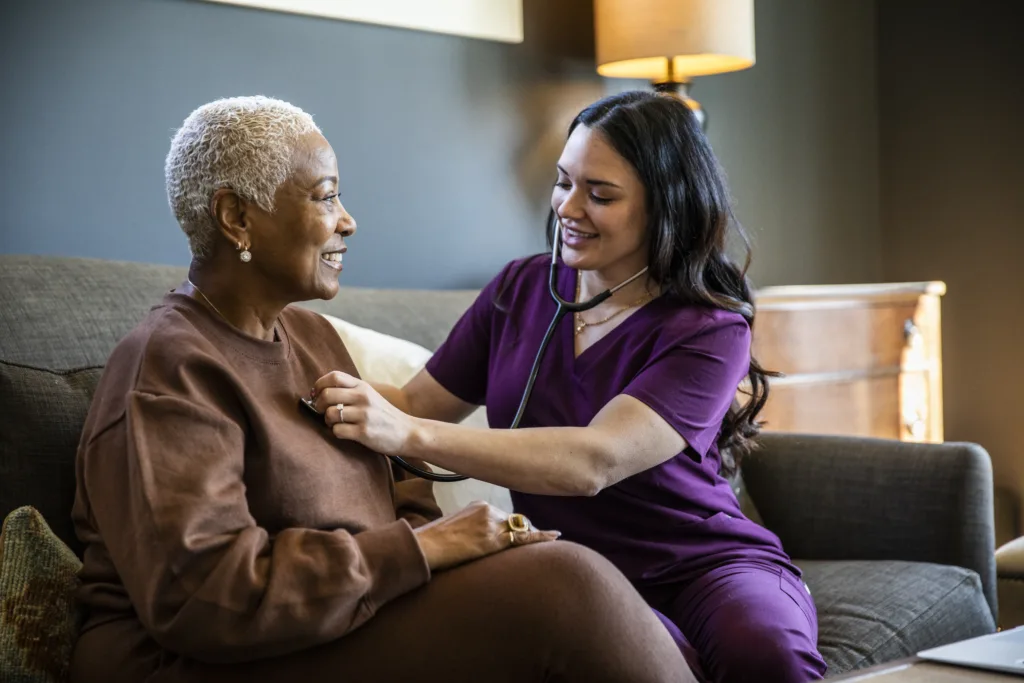
The American Heart Association reports that heart attack survivors who receive home health care are significantly less likely to return to the hospital within the first month, underscoring how powerful the right support can be during recovery. Research presented through the Association found that patients receiving home health services experienced notably lower 30‑day readmission rates, reinforcing the value of continued care at home.
If your doctor recommends it, Maxim can provide the skilled nursing support needed to make recovery safer and more manageable. Our private duty nursing services offer attentive, individualized care for medically fragile patients, helping them remain stable, supported, and comfortable in their own homes. To learn more, visit our nursing page.
Recovery is a journey, not a race
Life after a heart attack often means adjusting long-held habits and learning new ones. It can feel challenging, but each step — from cardiac rehab to nutritious meals, daily walks and emotional support — builds resilience and reduces the risk of future heart problems. With guidance from your healthcare team and a commitment to heart-healthy living, recovery can be rewarding and empowering.
Maxim Healthcare provides a range of home health and personal care services. Contact your local office to learn more about Maxim’s services to get the support you need.
