
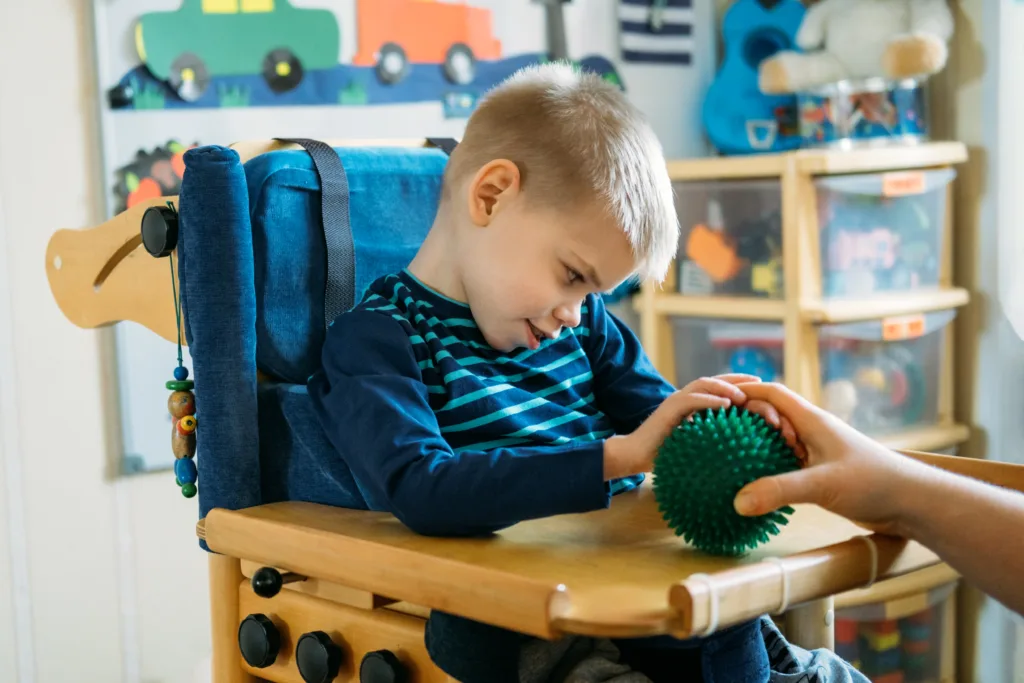
Playtime for a medically fragile child should be fun, inclusive and tailored to their unique needs. Choosing the right gift means considering accessibility, sensory preferences and developmental goals—while promoting safety and joy.
Why safe, inclusive gifts matter
Gift-giving is meant to spark happiness, but for children with disabilities, mainstream toys can sometimes be frustrating or even unsafe. A toy that’s too complex to handle, too loud or overstimulating can cause stress instead of joy. That’s why choosing adaptive, sensory-friendly and accessible gifts is so important—so every child can play, learn and feel included.
Key features of safe toys for kids with disabilities
When choosing toys for children with disabilities, several key factors promote both safety and enjoyment. Accessibility is essential—play items should be easy to grasp and activate or manipulate, even for children with limited mobility.
Sensory toys are designed to engage one or more of your child’s senses, including touch, movement, sound, sight and oral input, as well as proprioceptive and vestibular systems that support body awareness and balance. They’re more than just fun; they can help children calm their bodies, regulate their emotions and focus their minds.
Choking risk is very important to consider for children with disabilities. Focusing on the durability of the toy and opting for larger sizes can help prevent breakage and reduce choking hazards. Additionally, make sure all toys and parts are larger than your child’s mouth to prevent choking. Avoid toys with small or detachable parts to reduce choking risk if the child is known to put objects in their mouth.
It’s equally important to select age-appropriate gifts that align with a child’s developmental stage rather than just their chronological age.
Finally, therapeutic value adds meaning to play, since many adaptive toys can also support motor skills, communication and social interaction.
Examples of safe and inclusive gifts
- Sensory toys: Fidget spinners, noise-canceling headphones, large textured balls or weighted blankets can calm anxiety and provide comfort.
- Adaptive play sets: Large-button musical instruments or switch-adapted toys allow kids with limited mobility to join in play.
- Digital and analog games: Puzzles with large pieces, tactile books or interactive learning apps designed for accessibility.
- Outdoor equipment: Inclusive swings or beanbag toss games encourage movement and social play.
- Creative kits: Easy-grip crayons, adaptive art supplies or voice-activated storytelling devices foster imagination.
Safety considerations
When selecting toys for children with disabilities, it’s important to be mindful of features that could cause harm. Flashing lights or loud sounds may trigger sensory overload or even seizures, so choosing calmer, more balanced options is safer. Additionally, toys should be made from non-toxic, hypoallergenic materials to protect children with sensitivities and make sure playtime remains both safe and enjoyable.
Tips for gift-givers
- Ask parents or caregivers about the child’s specific needs and preferences.
- Think beyond toys—safe gifts can include cozy clothing, adaptive tech or experiences like zoo passes.
- Focus on inclusion—gifts that allow children to play alongside siblings and peers are especially meaningful.
Maxim Healthcare understands the unique needs of families caring for medically fragile children. Our nurses and caregivers support your child’s health and help them participate in activities. Visit our pediatrics page to learn more about our services and contact your local Maxim office for more information.
