

When Allison and her husband Erik married in 2017, they knew they wanted to grow their family. What they didn’t know was how profoundly foster care would change their lives.
“Talking about having children made us feel convicted to help children in our city who needed care, support and stability,” Allison says.
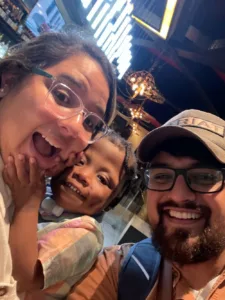
Inspired by friends who had fostered, the couple contacted a fostering agency and began the process with an open heart. Allison and Erik eventually welcomed a young boy named Alejandro into their home in March 2023. They officially adopted Alejandro on August 7, 2025. Today, Alejandro is 6 years old and thriving, but his journey has not been without challenges.
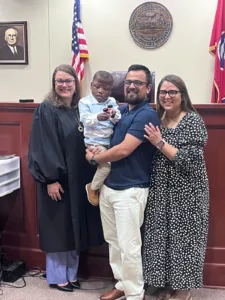
For this article, we sat down with Alejandro’s parents Allison and Erik, to learn about their experience fostering a medically fragile child and ultimately adopting him. We also gathered expert insights from several Maxim Healthcare employees, including Tayler Black, Market Business Development Manager at the Memphis, Tennessee, Regional Office; Bailey Ghazali, Clinical Operations Specialist at the Memphis, Tennessee, Regional Office; and Mackenzie Harris, Recruitment Operations Manager at the Memphis, Tennessee, Regional Office.
Saying yes to the unknown
For many families, medical complexities can make foster placements feel intimidating.
“Fostering can already feel unfamiliar, and adding medical complexities into the mix can heighten intimidation,” says Tayler Black of Maxim Healthcare. “It naturally brings additional unknowns and uncertainty for families who are already navigating a new experience.”
Before becoming foster parents, Allison and Erik had no firsthand experience caring for a medically complex child. Although Allison is a certified medical assistant with a background in nutrition, she and Erik weren’t sure what their first placement would look like. When they received the call about Alejandro, they learned he had significant medical needs.
“We weren’t expecting that level of complexity,” Allison says. “But we felt led to meet him and see how he was.”
Like many prospective foster families, Allison and Erik had questions about what life would look like caring for a child with medical challenges. They wondered about his long-term mobility, the number of medications he might require and his overall quality of life. They also considered how he would fit into their family routine, which included two dogs and an active lifestyle.
“We wanted to make sure he would have a stable home and a good routine,” Allison says. “We were willing to make changes, but we wanted to know if we could give him what he needed.”
Finding confidence through support
One factor that helped ease the family’s concerns was knowing nursing support would be available. After Alejandro was discharged from the hospital, the family had a brief period without home nursing services.
“The first week, I was overwhelmed,” Allison admits. “I didn’t know if I could do it.”
A few weeks later, Alejandro was approved for private duty nursing services through Maxim Healthcare.
“It felt like a safety net,” the couple says. “We knew we weren’t alone.”
That support proved invaluable.
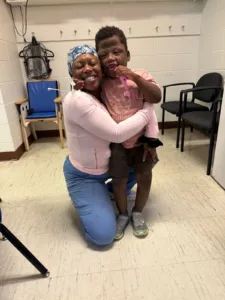
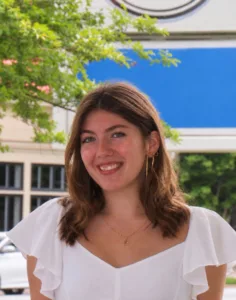
Bailey Ghazali of Maxim Healthcare says access to experienced nursing professionals often makes a significant difference in foster placements for children with medical complexities.
“Having a strong support system can make all the difference,” she says. “Families are often more willing to welcome a medically fragile child into their home when they know they have experienced professionals available to guide and assist them every step of the way.”
Celebrating every milestone
Alejandro was born at just 25 weeks gestation. When he first arrived at Allison and Erik’s home, he required a tracheostomy, had a feeding tube as well as developmental delays and autism. He also wasn’t walking independently.
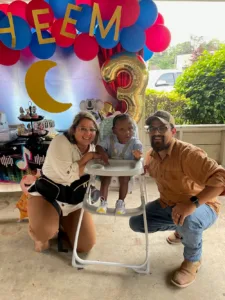
Today, the progress Alejandro has made is remarkable. After about a year and a half of living with the couple, he no longer needed his tracheostomy andhad it removed in September 2024. He continues to receive nutrition through a feeding tube but has started incorporating more oral feeding into his daily routine. The developmental changes have been equally meaningful.
“He wasn’t walking when we brought him home,” Allison says. “Now he’s walking.”

Though he’s largely nonverbal, Alejandro has begun vocalizing more and showing increased interaction with the people around him.
For Allison and Erik, the greatest rewards have come from witnessing those everyday victories.
“Watching his milestones has been amazing,” she says. “The developmental growth, hearing him verbalize more and seeing him do things independently. Those moments mean everything.”
Today, Alejandro loves going to the park, riding in his wagon, taking car rides and spending time with the family dogs. He enjoys movies, especially High School Musical, and rarely leaves home without one of his favorite toys.
Thriving through consistent support
For Allison and Erik’s family, nursing support is paramount. Having a nurse in the home allows them the flexibility to take care of other daily responsibilities like grocery shopping, appointments and errands that can be difficult to do while caring for a child with developmental delays and sensory sensitivities.
“It gives us another set of hands,” Allison says.
The support also follows Alejandro to school.
He receives nursing assistance throughout the school day for feeding support, medication management and help with personal care needs. Consistency allows him to participate alongside his classmates while receiving the care he requires.
According to Tayler Black, continuity of care is one of the biggest advantages of private duty nursing.
“Children can have the same nurse supporting them both at home and at school, creating consistency in their routines, medical management and overall care while providing peace of mind for families,” Black says.
Alejandro loves school and has made tremendous progress socially since attending.
“A lot of his social skills have improved tremendously,” Allison says.
Alejandro also participates in Sunday school through a special needs class where he enjoys spending time with classmates and taking part in activities.
The power of staying home
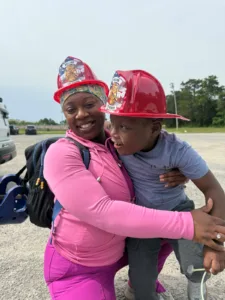
For children with medical complexities, growing up in a family environment can have a profound impact.
“In a home, they’re comfortable,” Allison says. “It gives them a normal life that hospitals and clinics can’t provide.”
Mackenzie Harris from Maxim Healthcare agrees.
“Our goal is to help children live at home, where they can experience as much normalcy as possible,” she says. “With the support of skilled nursing staff, families can feel confident caring for their child in a familiar environment rather than spending unnecessary time in a hospital setting.”

Allison and the team at Maxim believe the stability of home has helped Alejandro build relationships, develop social skills and gain confidence in ways that may not have been possible in an institutional setting.
“He used to keep to himself a lot more,” Allison says. “Now he’s opening up to aunts, uncles, grandparents and other people outside our immediate family.”
Building a team around Alejandro’s needs
Throughout their foster and adoption journey, Allison says support has been critical.
“Nursing care and family have been the biggest support,” she says. “Our parents, in-laws, sister and close friends have all helped along the way.”
“Successful foster placements often begin with an open-minded family that is willing to partner closely with the foster care agency, healthcare providers and other members of the care team,” adds Harris. “Flexibility, communication and a willingness to work together can make a tremendous difference in helping a child thrive.”
A message for families considering foster care
Allison understands why medically complex placements can feel overwhelming.
“It’s a blessing, but it’s not easy,” she says. “Any foster child may come with trauma and challenges.”
Her advice?
Don’t assume a child’s medical needs make foster care impossible.
“Private duty nursing can help,” Allison says. “It’s doable.”
Ghazali has seen that same transformation in many families.
“Once foster families welcome a medically fragile child into their home, they often realize it’s not as intimidating as they initially expected,” Ghazali says. “Many become more confident in caring for children with complex needs and go on to open their homes to additional children or adoption.”
Looking ahead
Alejandro’s family continues to celebrate every step forward. Their goals include potty training, transitioning to full oral feeding and helping him continue building social awareness and independence.
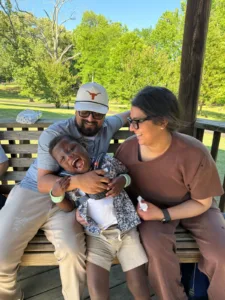
In the meantime, they focus on giving him the same experiences every child deserves. They eat meals together as a family, maintain routines that help him feel secure and celebrate milestones big and small.
“Whatever we do, he does with us,” Allison says.
For a little boy who once faced an uncertain future, those everyday moments have become the foundation of something extraordinary: a loving home, a permanent family and a community of support helping him reach his full potential.
Maxim is here to help
Fostering a medically fragile child can be challenging, but you don’t have to navigate the journey alone. Maxim understands the unique needs of families caring for children with complex medical conditions. Visit our pediatrics and behavioral pages to learn more about our services and contact your local Maxim office for more information.
