
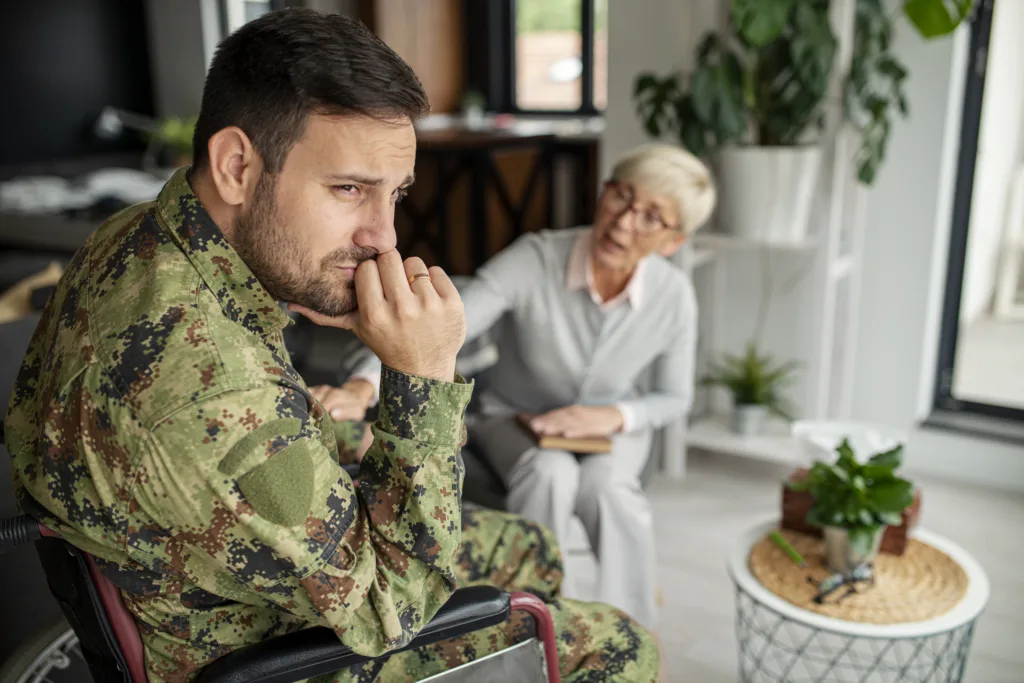
September is Suicide Prevention Month, a time dedicated to raising awareness about suicide prevention and promoting resources that can save lives. Veterans face unique challenges related to military service, transitioning to civilian life, physical injuries and mental health conditions that can increase their risk of suicide.
According to the National Library of Medicine, suicide remains a major public health challenge that disproportionately affects service members and veterans. Research highlights the urgent need for continued awareness, intervention and access to support services for those who have served our country.
The scope of the crisis is significant. The Disabled Veterans National Foundation reports that, on average, approximately 22 veterans die by suicide each day; this results in over 9,000 deaths a year. Research also indicates that the suicide rate among military members and veterans is about 50 percent higher than that of the civilian population. These numbers are more than statistics. They represent individuals, families, friends and communities impacted by loss.
Recognizing the warning signs
One of the most important ways to support Veterans is by learning to recognize potential warning signs of suicide. According to the Wounded Warrior Project, these signs generally fall into four categories: actions, physical changes, feelings and comments.
Actions
Veterans who may be struggling could exhibit behaviors such as:
- Giving away prized possessions
- Withdrawing from family, friends, work or school
- Losing interest in hobbies or leisure activities
- Misusing alcohol or drugs
- Engaging in self-harm
- Displaying sudden or extreme changes in behavior
Physical changes
Physical indicators may include:
- Poor sleep or changes in sleep patterns
- Eating significantly more or less than usual
- Gaining or losing weight unexpectedly
- Changes in sexual interest
- Frequently complaining about pain or feeling unwell
Feelings
Individuals experiencing suicidal thoughts may express feelings of:
- Desperation
- Anger
- Guilt
- Worthlessness
- Loneliness
- Sadness
- Hopelessness
- Helplessness
Comments to take seriously
Certain statements can indicate that someone is in emotional distress and may be considering suicide, including:
- “All of my problems will end soon.”
- “No one can do anything to help me now.”
- “Now I know what they were going through.”
- “I just can’t take it anymore.”
- “I’m a burden to everyone.”
Any mention of suicide, hopelessness or being a burden should be taken seriously and addressed immediately.
How to start the conversation
Many people worry that asking someone about suicide could make things worse. In reality, having a direct and compassionate conversation can be a critical first step toward getting help.
The Wounded Warrior Project recommends:
- Ask directly: “Are you thinking about suicide?”
- Stay calm and be present: Listen without judgment and allow the person to share their thoughts.
- Show support: Let them know they are not alone and that you care.
- Connect them with resources: Offer to help them reach trusted family members, friends or professional support services.
- Act in an emergency: If there is immediate danger or a suicide attempt has occurred, contact emergency services right away.
If a loved one confirms that they are considering suicide, it is important to seek assistance from a medical or mental health professional immediately.
The power of connection
One of the strongest protective factors against suicide is meaningful social connection. The U.S. Department of Veterans Affairs (VA) encourages Veterans to participate in the Veteran Buddy Checks program, which promotes reaching out to fellow Veterans through simple phone calls, texts, emails or visits. These peer-to-peer connections can help reduce feelings of isolation, strengthen mental well-being and connect Veterans with both VA and community-based resources. Sometimes, a simple conversation can make a profound difference in someone’s life.
This Suicide Prevention Month, take a moment to check in with the Veterans in your life. A phone call, text message or conversation may provide the support someone needs to take the next step toward hope and healing.
Resources
If you or a Veteran you know is struggling, you do not have to go through this alone. Support is available. Maxim urges you to take action so those who risked their lives for our freedom can receive the help and resources that they need.
Veterans can contact the Veterans Crisis Line by dialing 988 and pressing 1, texting 838255, or visiting VeteransCrisisLine.net for confidential, 24/7 assistance.
Maxim Healthcare offers extensive home healthcare, personal care and behavioral care services to the military community. To learn more about the services available near you, contact your local Maxim office. You’ve served us; now let us support you.
