

For military spouses, career growth often comes with unique challenges. Frequent moves, changing duty stations, childcare hurdles, and the uncertainty of military life can make it difficult to build a long-term professional path. Yet many military spouses continue to demonstrate resilience, adaptability and determination while balancing family and career aspirations.
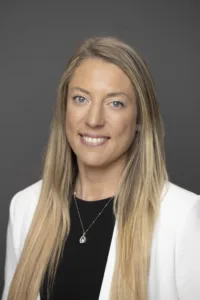
As a Regional Director of Military and Federal Homecare at Maxim Healthcare, Allison Graves has experienced these challenges firsthand. Her journey reflects not only the realities of military life, but also the opportunities that can emerge when perseverance meets support.
A military family at heart
Military service has been part of her family’s story for years. Graves met her husband in 2016 after he had already spent many years serving on active duty. Together, they have built a family with two young children: a six-year-old son and a four-year-old daughter.
Like many military families, Graves’s family has experienced several permanent change of station (PCS) moves over the years. Through each transition, their family has adapted and grown. Their son has even developed aspirations of following in his father’s footsteps, proudly sharing that he wants to work in the Army when he grows up.
Finding a home at Maxim
Graves’s path to Maxim began through a recruiter who reached out through ZipRecruiter. While exploring the opportunity, she immediately noticed something that stood out about Maxim: the culture.
“From my very first interview, I felt the culture of the organization,” she says. “Equally important was the chance to make a meaningful impact by helping individuals receive care in the comfort of their homes when they needed it most.”
Before joining Maxim, Graves was an assistant volleyball coach at Methodist University, where she had also been a collegiate volleyball athlete. While coaching provided rewarding experiences, joining Maxim opened the door to a career that would ultimately combine her passion for helping others with her personal connection to military and Veteran communities.
Turning challenges into opportunities
Today, Graves serves as Maxim’s Regional Director of Military and Federal Homecare, leading business development efforts across military and federal healthcare programs. Her work includes supporting initiatives involving TRICARE, the Department of Veterans Affairs, Federal Workers’ Compensation programs, and homecare services for visiting international patients.
As one of Maxim’s subject matter experts in the military and federal space, Graves collaborates with teams across multiple states, develops strategic solutions, and builds relationships within military and federal communities to better serve Veterans, service members and their families.
Graves’s journey to this leadership position was anything but traditional.
She began her Maxim career in Fayetteville, North Carolina, as a recruiter. After three and a half years with the company, Graves’s husband’s military orders required another PCS move. Like many military spouses, she faced uncertainty about what would happen to her career after relocation.
Instead of losing momentum, she found support from leaders who were willing to think creatively. Following her move to Tennessee, she became Maxim’s first Area Business Development Manager in the state, helping establish and define the role while continuing to support military and Veteran populations.
That experience ultimately shaped the future of her career and led her to her current leadership role.
Why military spouse employment matters
Military spouses often face employment barriers that many people never consider. “Frequent relocations can create resumes that show multiple job changes in a relatively short period of time,” says Graves. “Unfortunately, some employers may view this as a concern rather than recognizing the circumstances behind it.”
Graves believes organizations benefit when they intentionally create opportunities for military spouses.
“Military spouses are just as qualified as others and want careers of their own,” she explains. “Programs designed specifically for military spouses help employers understand the realities of military life while recognizing the talent, experience and commitment these professionals bring to the workplace.”
One common misconception, Graves notes, is that military spouses are not worth investing in because they may eventually relocate. In reality, military spouses often become some of the most adaptable, resilient and resourceful employees because of the challenges they navigate.
Lessons learned through military life
Military life has taught Graves skills that continue to strengthen her leadership and professional success. Adaptability, relationship-building and resilience have become some of her greatest strengths.
Frequent moves have required her to build new networks, connect with unfamiliar communities and quickly establish meaningful relationships. They have also taught her to embrace change, even when it is difficult.
“There were times I really didn’t want to PCS and leave certain areas,” she says. “But we didn’t have a choice.”
That perspective has helped shape her ability to lead through uncertainty and remain focused on achieving goals regardless of the circumstances.
Overcoming the challenges
Of course, balancing military life and career ambitions has not always been easy.
One of Graves’s greatest challenges came during a move to Fort Drum, where finding childcare proved incredibly difficult. With her husband preparing for a command assignment that would keep him away frequently, she made the difficult decision to temporarily step away from work to focus on raising their children.
Like many military spouses, Graves often had to serve as the primary parent managing appointments, school events and unexpected family needs while balancing professional responsibilities.
These experiences reinforced a reality many military families understand well: success often requires flexibility, patience and a strong support network.
Driven by service
Today, what motivates Graves most is the opportunity to serve military families, Veterans and their families.
Throughout her husband’s military career, Graves has developed friendships and connections that will last a lifetime. Supporting Veterans and military families through healthcare services allows her to give back to a community that has shaped so much of her own life.
“The military is huge, but it’s also very small,” she says. “It’s a community that continues looking out for each other long after service ends.”
Beyond providing care, Graves believes her team helps advocate for improvements that benefit Veterans, active-duty service members and military families across the country.
Advice for fellow military spouses
For military spouses looking to advance their careers, Graves’s advice is simple: stay positive and build connections.
Networking, maintaining professional relationships and staying connected across duty stations can open doors in unexpected ways. Many of the relationships Graves built throughout her journey continue to support her career today, with a network of friends and professional connections that extends across the United States.
“Being a military spouse is tough,” she reflects. “But it has contributed so much to where I am today and the lifelong friendships I’ve made along the way.”
Graves’s story serves as a powerful reminder that while military life may create challenges, it can also foster resilience, leadership and opportunities that shape extraordinary careers.
At Maxim Healthcare, we recognize the unique strengths that military spouses bring to the workforce. Maxim Healthcare is proud to support military families by helping spouses build meaningful careers while continuing to make a difference in their communities. To learn more, visit our Careers page.


| Categories |
|---|
| Recruiting |
| Veteran and active-duty care |
